Model Organisms

Model Organism Wikipedia

The Natural History Of Model Organisms Genetic Evolutionary And Plant Breeding Insights From The Domestication Of Maize Elife
History Of Model Organisms 978 613 1 6
Of Mice And Model Organisms Cold Spring Harbor Laboratory

Model Organisms Biology Research Guide Research Guides At Columbia University

Model Organisms Walkabout
• Present the general characteristics of the model organisms.
Model organisms. • Introduce models organisms. Model Organisms for Ecological and Evolutionary Research Alex Córdoba-Aguilar Abstract. Choosing an appropriate model depends on the question being asked.
The genomes of these organisms have been mapped and sequenced. We have made tremendous advancement in the field of biology and medicine in the last century. This category has the following 22 subcategories, out of 22 total.
A model organism is one that is extensively studied to understand particular biological phenomena, with the expectation that discoveries made in the model organism will provide insight into the workings of other organisms. Investigators who are applying for a grant or contract and plan to produce new, genetically modified variants of model organisms (including nonhuman mammalian and non-mammalian eukaryotic models) must provide a plan for sharing these organisms and related resources (including materials and data necessary for producing and understanding model organisms). Takifugu rubipres, a pufferfish - has a small.
• Present the most important model organisms. Over the past century, the mouse has developed into the premier mammalian model system for genetic research.Scientists from a wide range of biomedical fields have gravitated to the mouse because of its close genetic and physiological similarities to humans, as well as the ease with which its genome can be manipulated and analyzed. Information about national and international activities and major resources that are being developed to facilitate biomedical research using mammalian and nonmammalian models that include mouse, rat, yeast, amoebae, yeast, round worm, fruit fly, zebrafish, and frog.
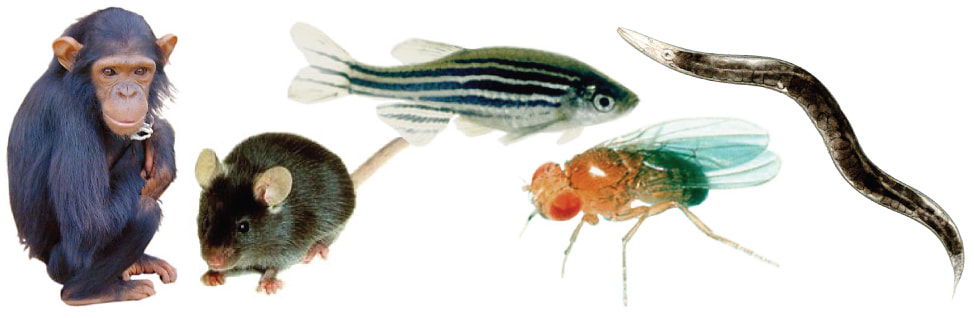
Model organisms can be plants, microbes (e.g., yeast) or animals (e.g., flies, fish, worms and rodents), all of which are widely studied and have a genetic makeup that is relatively well-documented and well-understood by scientists. Another model organism currently in the NHGRI-supported sequencing pipeline is the chicken. It is the most widely used organism in molecular.
The NIH POLICY ON SHARING OF MODEL ORGANISMS FOR BIOMEDICAL RESEARCH was published in the NIH Guide on May 7, 04. A model organism is one which is studied to further our understanding of biological processes. Many laboratories find it useful to perform parallel experiments in two or more model systems to understand different aspects of a biochemical process.
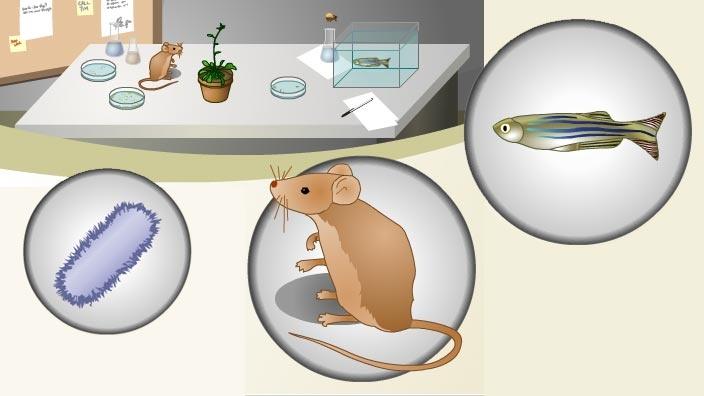
Model organisms are drawn from all three domains of life, as well as viruses.The most widely studied prokaryotic model organism is Escherichia coli (E. In the current scientific view, all living organisms can be. The zebrafish is a premier model organism for biomedical research, with a rich array of tools and genomic resources, and combining these with a fuller appreciation of wild zebrafish ecology could greatly extend its utility in biological research.
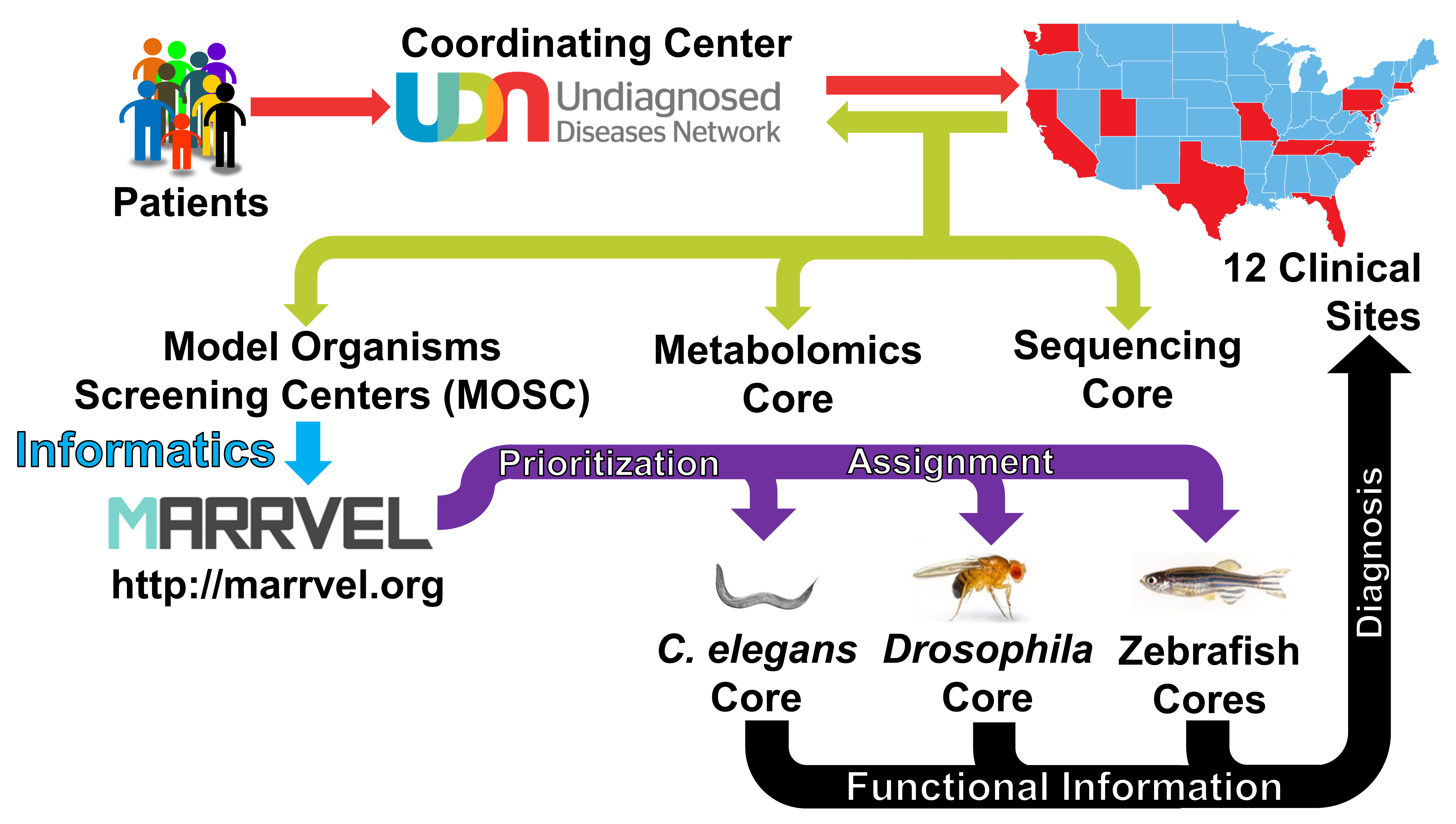
The Model Organisms Screening Center (MOSC) for the Undiagnosed Diseases Network (UDN) is composed of two Centers that use fruit fly (Drosophila melanogaster), nematode worm (Caenorhabditis elegans) and zebrafish (Danio rerio) genetics and biology to tackle rare and undiagnosed diseases. Model Organisms Readings (chapter 1) Course 281 Introduction to Molecular Biology 2. Illustration by Charlotte Hu/Cold Spring Harbor Laboratory A subset of research organisms that help us understand human biology are called model organisms or animal models.
Cost, space requirements, ease of handling and breading of organism. Lessons for life 3. Many types of bacteria divide rapidly, grow in simple and easy to prepare media.
Populus is a genus used as a model in forest genetics and woody plant. VertebratesEdit Dog ( Canis lupus familiaris) - an important respiratory and cardiovascular model Cavius porcellus, the guinea pig Lamprey Mouse ( Mus musculus) - the classic model vertebrate. Model organisms are species that are extensively studied to understand biological phenomena that provide insight into the functions of other organisms.
Model organisms have an important place in understanding biology, but there will always be limitations. Model organisms are non-human species that are used in the laboratory to help scientists understand biological processes. Let us take the example of drugs that are available in the.
For example, they may have particularly robust embryos?. Each chapter is written by a well. Researching these organisms explores the basic biology and chemistry of life.
Elegans is a useful model organism due to its animal physiological properties, its ability to replicate human diseases and its fast life cycle. How accessible is the egg and embryo for observation (use the opaque nematode worm) & manipulation?. Factors such as its ability to grow fast using cheap media and availability of.
From left to right:. The common house is most closely related to humans and it is easily kept and bred in the laboratory. For all these achievements and knowledge, we are indebted to the 'model organisms' that allowed as to peep into the mysteries of life.
Background on Mouse as a Model Organism December 02. Besides its obvious importance for the agriculture and food industries, the chicken is a key model for studying embryonic development and the role of viruses in cancer. One of the most important findings from fruit flies is the inheritance of chromosomes at the phenotypic level.
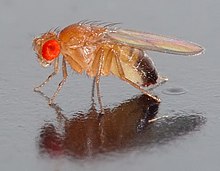
Examples include yeast, fruit flies, worms, zebrafish, and mice. Drosophila melanogaster is one of the most important model organisms used to study human diseases, physiology and genetics. Since this is a love letter to flies and flies are animals, I will tell you a little about other animal models and what they are studied for.
Model organisms (yeast, bacteria, mouse, fruit fly) Model organisms such as yeast, bacteria, the mouse and the fruit fly are used by researchers to study biological systems. A model organism is a non-human species that is studied to understand biological processes, with the expectation that discoveries made in the organism model will provide insight into the workings of other organisms. On Dec 16, 18, Broad Institute and Shanghai Model Organisms Center Inc (SMOC) has entered into a non-exclusive license agreement under which Broad has granted SMOC worldwide rights to commercialize a service platform for genetically modified mouse models under Broad's intellectual property.
Insights from model organisms Nat Rev Mol Cell Biol. When choosing a model organism what must we consider?. A model organism is a non-human species that is extensively studied to understand particular biological phenomena, with the expectation that discoveries made in the organism model will provide insight into the workings of other organisms.
These organisms share many genes with humans, are easily maintained in the lab, and have short generation times that make it easy to study the effects of genetic manipulations. This book is a collection of nineteen chapters where summaries of major ecological and evolutionary questions have been asked and responded using dragonflies and damselflies as study subjects. Non-mammalian model organisms are typically used in early research to deliver fast answers to a discovery problem, such as the function of a gene, or to define novel therapeutic entry points.
Many inbred strains exist, as well as lines selected for. Model organism / model genetic organism. By the wide study in research using model organisms, scientists have and are learning more about how the brain functions and what drives behaviors like eating, sleeping, sex and even aggression.
In the decades since Morgan began breeding his flies, the model organism approach has. Mammalian and Non Mammalian Model Organisms. First visualized in 1676 by Anton van Leeuwenhoek, bacteria have been a favorite model organism for biologists ever since.
Model Organism Characteristics What is a Model Organism?. These creatures can only tell us so much about human biology. AIMS • Understand the importance of models in science.
The new policy becomes effective with the October 1, 04 receipt date for applications or proposals to NIH. A model organism is a species that is extensively studied to understand a specific phenomenon, expecting that the knowledge gained can be applied to other species as well. The term “model organism” includes mammalian models, such as the mouse and rat, and non-mammalian models, such as budding yeast, social amoebae, roundworm, Arabidopsis, fruit fly, zebrafish, and frog.
A model organism (often shortened to model) is a non-human species that is extensively studied to understand particular biological phenomena, with the expectation that discoveries made in the model organism will provide insight into the workings of other organisms. Autophagy as a promoter of longevity:. Thus in such a situation human subjects are inevitable.
Model organism a laboratory organism that has many advantages for experimental research. Marchantia polymorpha is a liverwort that is also emerging as a model for plant biology and development. This is an extension of NIH policy on sharing research resources, and reaffirms NIH support for the concept of sharing.
Biological consideration - is the organism suited to the type of study?. 2 Here I will focus on one of the premier model systems for genetics, the fruit fly Drosophila melanogaster (Fig. What are model organisms?.
LATEST POSTS Shanghai Model Organisms Center Inc has licensed CRISPR-Cas9 technology from Broad Institute. Pathway analysis of genes involved in tissue and organ growth helps build a framework for evolution and developmental biology while pharmaceutical studies lead to the discovery of novel drug targets and a better understanding of mechanism of action. 1 Model organisms are in vivo models and are widely used to research human disease when human experimentation would be unfeasible or unethical.
Authors Malene Hansen 1 , David C Rubinsztein 2 3 , David W Walker 4 5 Affiliations 1 Sanford Burnham Prebys Medical. Examples of model organisms for which a sharing plan is expected when new, genetically modified organisms are developed is posted on the NIH Model Organism for Biomedical Research Web site as a brochure. The use of zebrafish (Danio rerio) as a model organism began in the 1960s.The zebrafish is a tropical fish native to southeast Asia.
Each model organism has its own advantages and disadvantages. In its larval stages it is transparent and as it matures to an adult it develops stripes that run along the length of the body and look blue in colour. Many of the model organisms in genetics, such as zebra-fish (Danio rerio) and the nematode Caenorhabditis elegans, have been adopted for sleep studies because they are highly suited to the forward genetics approach.
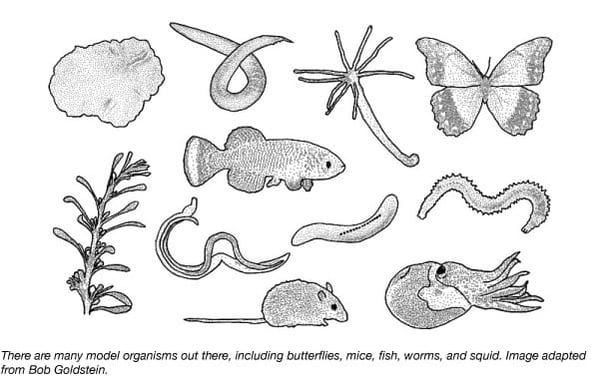
The fly, Drosophila melanogaster, has morphed into a test system to study the inner workings of biology — a model organism. In this blog post, we’ll cover five popular model organisms, but there are many more out there. An organism suitable for studying a specific trait, disease, or phenomenon, due to its short generation time, characterized genome, or similarity to humans.
Why choose to study a model organisms instead of the organism of interest?. Because model organisms in developmental biology are used for experimental intervention, questions of representation (is the mechanism of zebrafish somite formation a good proxy for the mechanism of vertebrate somite formation?) must be juxtaposed with questions of manipulation (how easily and diversely can zebrafish somite formation be experimentally. Model organisms do not have mammary glands to follow understand this disease.
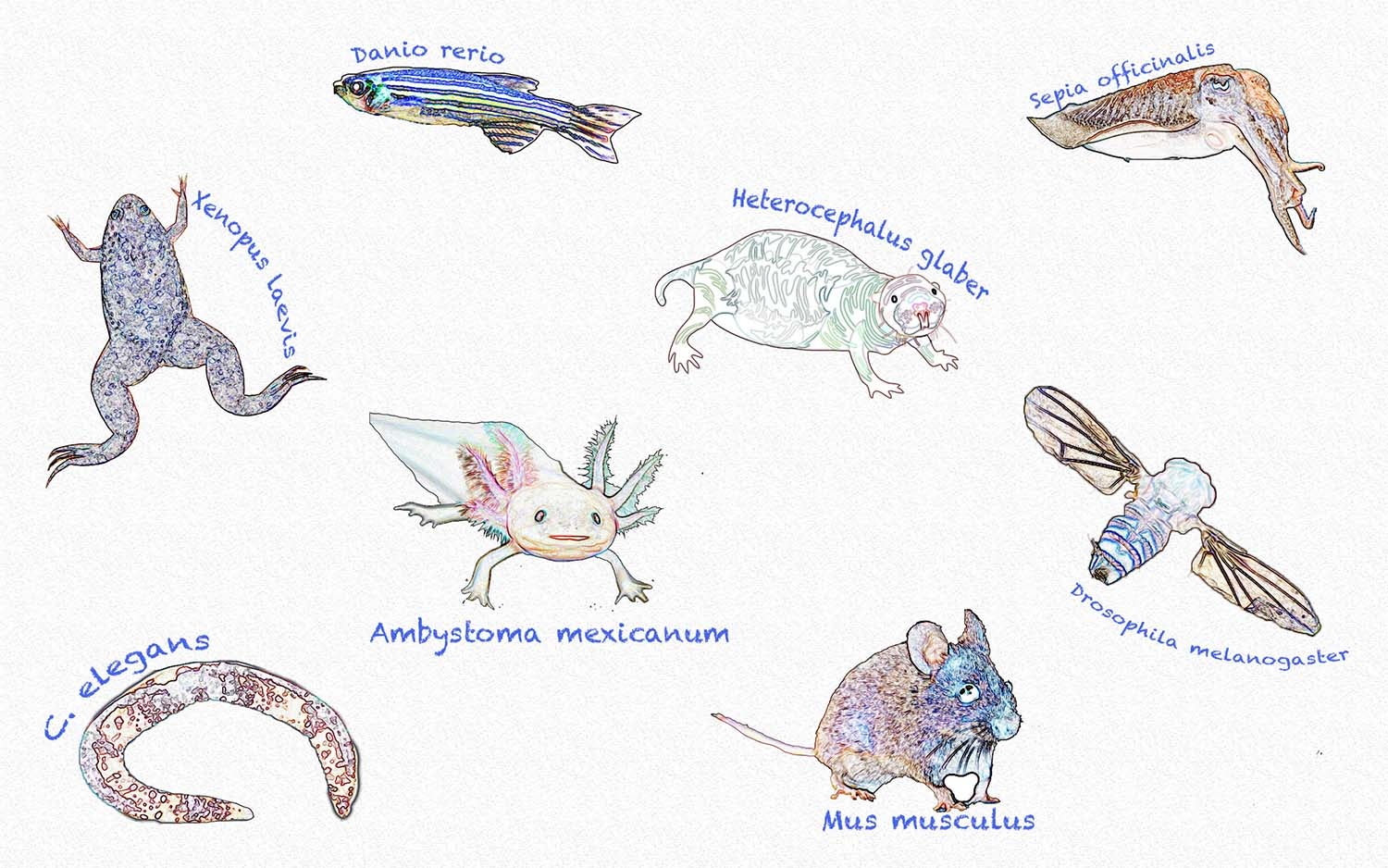
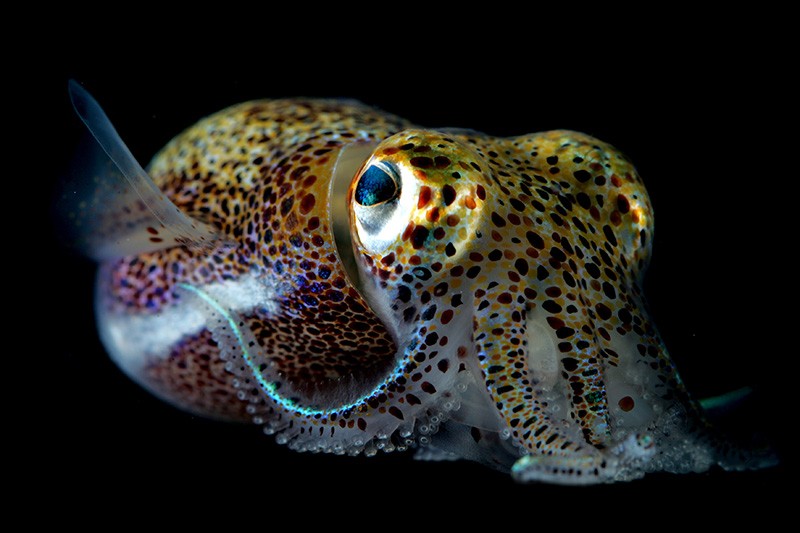
About 90 percent of new drug candidates fail during human clinical trials because they are ineffective (the majority) or unsafe, according to the NIH. Model organisms are vital tools used by researchers around the globe. African clawed frog, roundworm, zebrafish, axolotl, naked mole rat, mice, cuttlefish, fruit fly.
Model organisms, if possible, need to have. Mus musculus (Mouse) Classic model vertebrate;. Many aspects of these organisms’ biology are similar to ours, and much is already known about their genetic makeup.
List of Model Organisms - Mammalian and Non Mammalian Model Organisms Characteristics of Model Organism MCQ on Model Organism. Model organisms are usually defined as non-human species that are extensively studied in order to understand a range of biological phenomena, with the hope that data, models and theories generated will be applicable to other organisms, particularly those that are in some way more complex than the original. There are model organisms of all types, bacteria, other microorganisms, plants and animals.
They are usually organisms that are easy to maintain and breed in a laboratory setting. Zebrafish as a model organism:. Model Organisms for Biomedical Research Share:.
Some model organisms used in research. Model organisms are a small group of research organisms that serve as a proxy for understanding the biology of humans. Escherichia coli is a rod-shaped (bacillus) Gram-negative bacterium that is frequently used as a model organism.
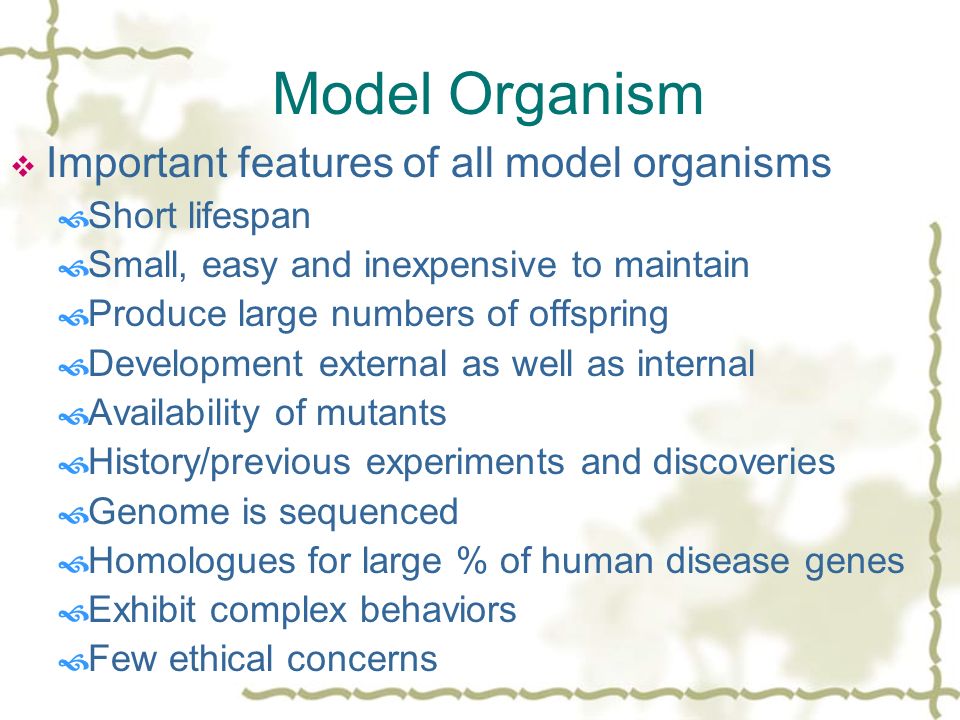
Coli), which has been intensively investigated for over 60 years.It is a common, gram-negative gut bacterium which can be grown and cultured easily and inexpensively in a laboratory setting. As I said, the more basic a process is, the more organisms that share it, our options to choose a model are going to be many. Typical characteristics of model organisms include developing to maturity rapidly, the ability to be easily manipulated, having a short life span, producing a large number of offspring and to having a sequenced genome, in addition to being well understood.
The zebrafish is about 2.5 cm to 4 cm long. Scientists study model organisms with the aim of understanding biology more broadly, including issues applicable to human health. The most popular model organisms in biological and biomedical research are the fruit fly Drosophila melanogaster, the zebrafish and the nematode C.
Feature Article Mar 25, 15.
Model Organism Wikipedia
Model Organisms
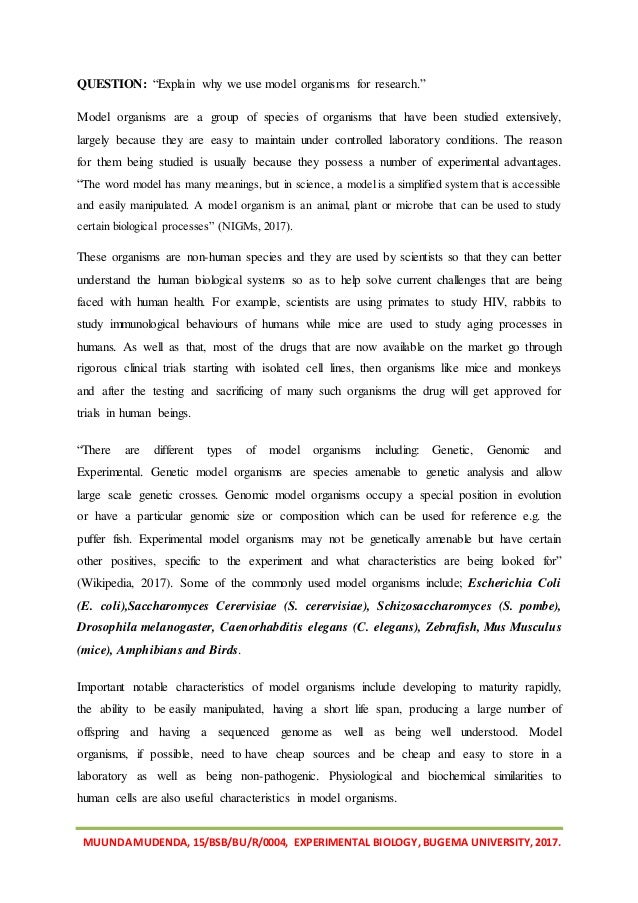
Model Organisms Bugema University
Model Organisms Model Organism Important Features Of All Model Organisms Short Lifespan Small Easy And Inexpensive To Maintain Produce Large Ppt Download
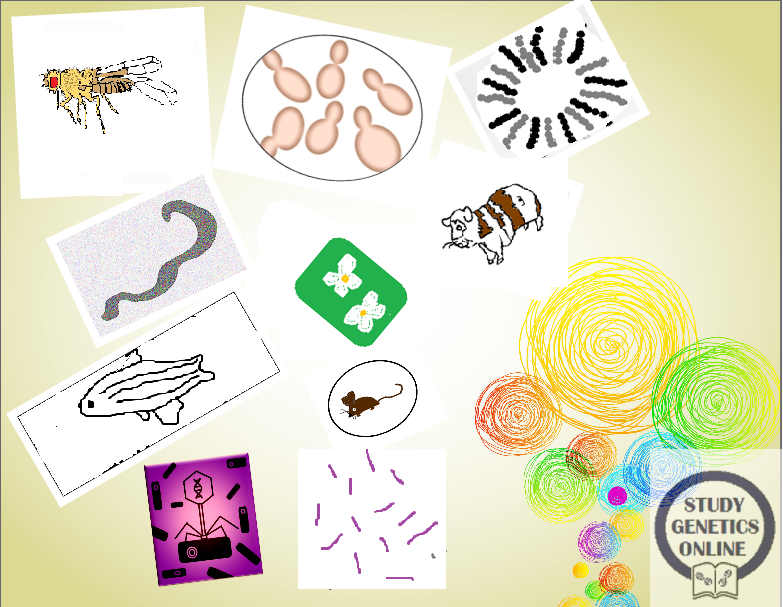
Top 10 Model Organisms
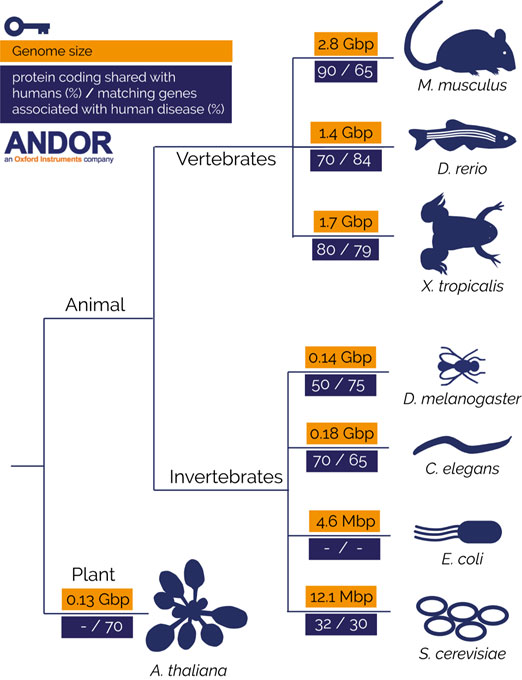
Common Model Organisms Used In Molecular Biology Andor Learning Centre Oxford Instruments

The Future Of Cell Biology Emerging Model Organisms Sciencedirect

Extavour Lab Developing Genomic Resources And Functional Genetic Tools For Emerging Model Organisms

Zebrafish As A Model Organism For Preclinical Studies Of Genetic Download Scientific Diagram
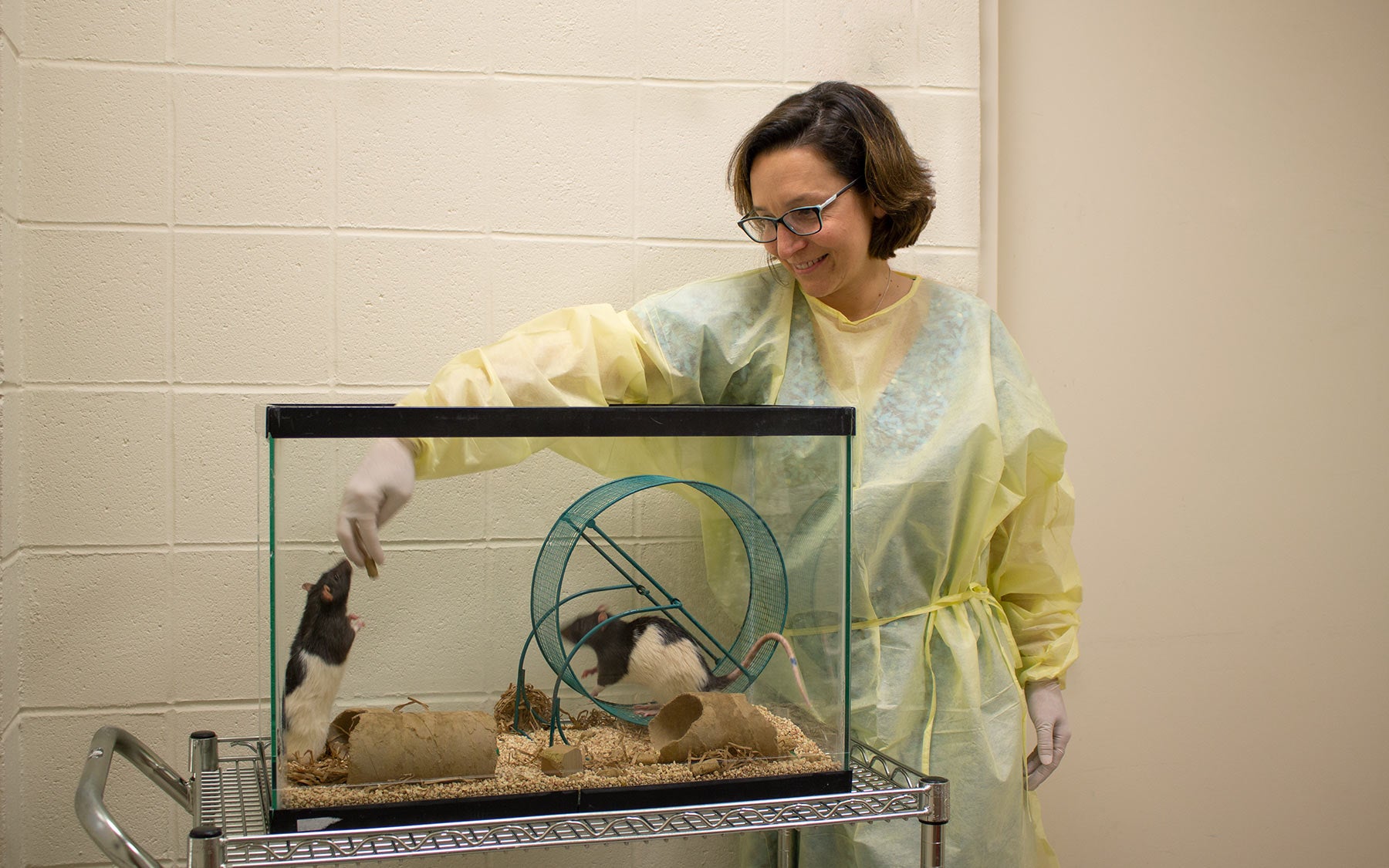
Of Mice And Model Organisms Cold Spring Harbor Laboratory

Carolina Com Genetics Lesson Genetics Activities Genetics

Human Aging Model Systems Cells Yeast Worms Flies And Mice

Pdf Making Designer Mutants In Model Organisms Semantic Scholar
Solved 1 Model Organisms Are Often Used To Study Biologi Chegg Com

A New World Of Research Possibilities With Emerging Model Organisms Eurekalert Science News

Model Organism Kirtonsparcle

The Very Model Of A Modern Research Organism Immunobites
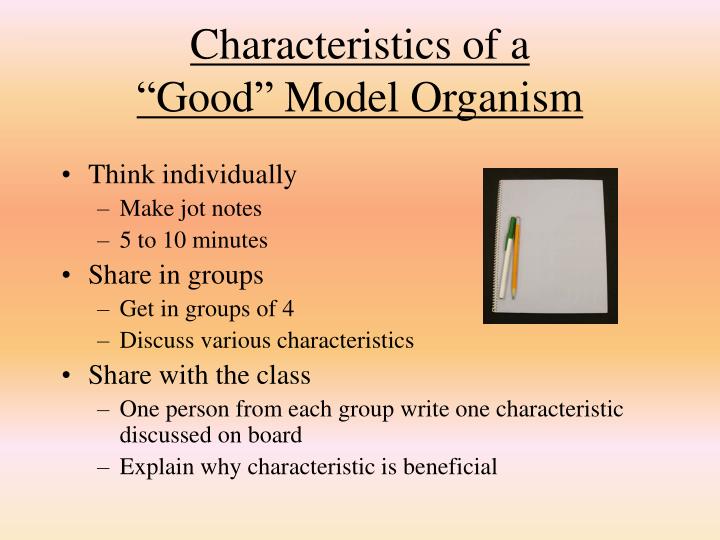
Ppt Model Organisms Powerpoint Presentation Free Download Id 4654
2
Q Tbn 3aand9gctnfneaqskh5w2ugtjwmm0dpihycup258wq 34tcwa3z50hu38c Usqp Cau

Sleep And Development In Genetically Tractable Model Organisms Genetics

A Look At Nih Support For Model Organisms Part Two Nih Extramural Nexus

Ageing And Longevity Associated Genes In Model Organisms

Model Organisms A Love Letter To The Fly Flying Thru Science
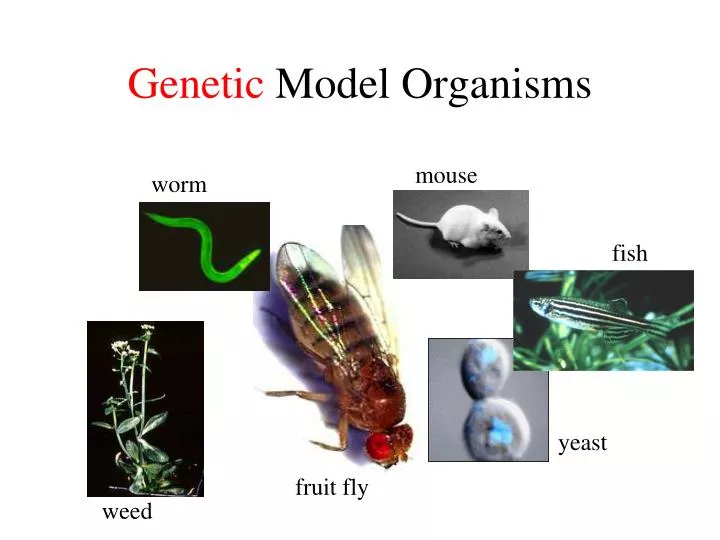
Ppt Genetic Model Organisms Powerpoint Presentation Free Download Id

Solved How Has The Use Of Model Organisms Advanced Our Kn Chegg Com
Hydra As Long Lived Model Organism A Scheme Showing The Phylogenetic Download Scientific Diagram
Amazon Com Model Organisms Yeast As A Model Organism Vhs Lodish Harvey Movies Tv
Q Tbn 3aand9gcr9tj4jic9l3flxeur Nod6xnz0x9vlhjhmas3ohva I9vh79wm Usqp Cau

Model Organisms For Biomedical Research Curriki Library

Model Organisms Infographic Vividbiology
Model Organisms Alexander Disease

Comparison Of Four Model Organisms Download Table

Plantae Community

281 Lec2 Model Organisms
New Genetic Tools For Non Model Organisms Janelia Research Campus
Q Tbn 3aand9gcsjqha Yjolibqft9qnmayd9fkb9fackpucxn7wvkmdn6zchmdj Usqp Cau
Model Organisms Shank3 Gene Intellectual Ability
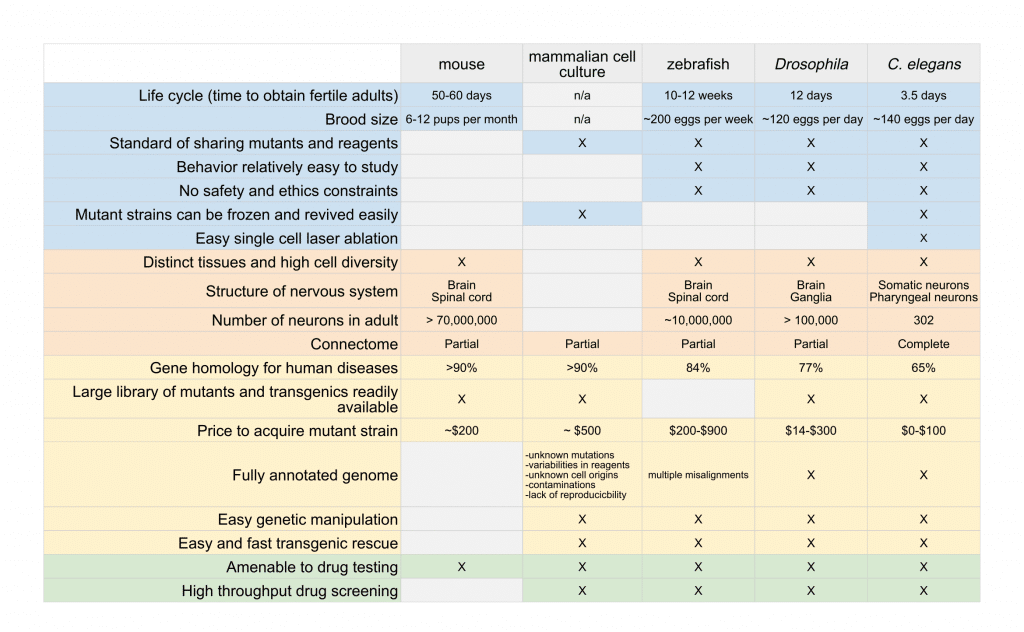
A Comparison Of Common Model Organisms Part 1 Nemametrix

Figure 2 From The Origin And Evolution Of Model Organisms Semantic Scholar

Fig 1 The Dominant Model Organisms Used A Time For Metabolism And Hormones Ncbi Bookshelf

List Of Model Organisms In Genetics And Molecular Biology Pdf By Easy

Model Organisms In Biology Part 1 In Hindi Hindi Bioinformatics For Gate Biotechnology Unacademy

Support Model Organism Databases Sgd

Reflection 1 Model Organisms Biochem Insider

Non Canonical Aging Model Systems And Why We Need Them The Embo Journal
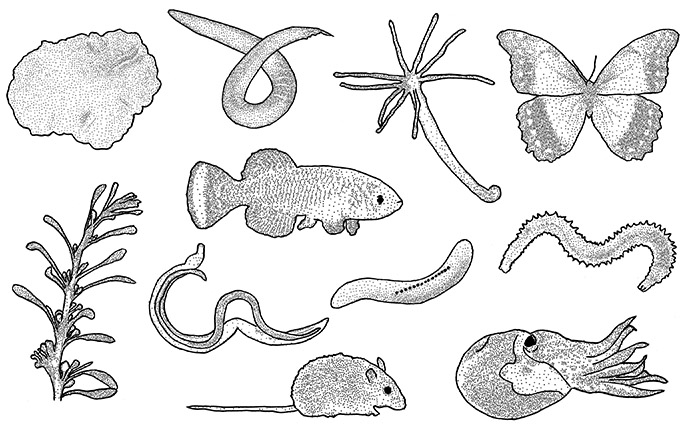
Emerging Model Systems A Saturday Afternoon Ascb Subgroup Session
Model Organisms
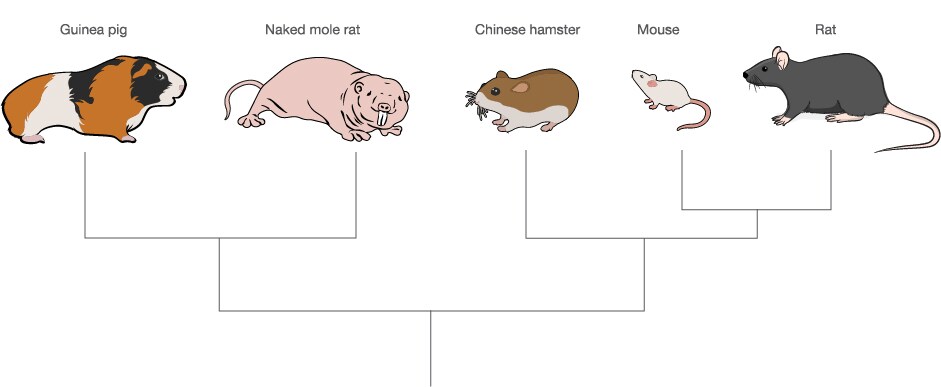
Naked And Unafraid A New Rodent Joins The Model Organism Family Behind The Bench
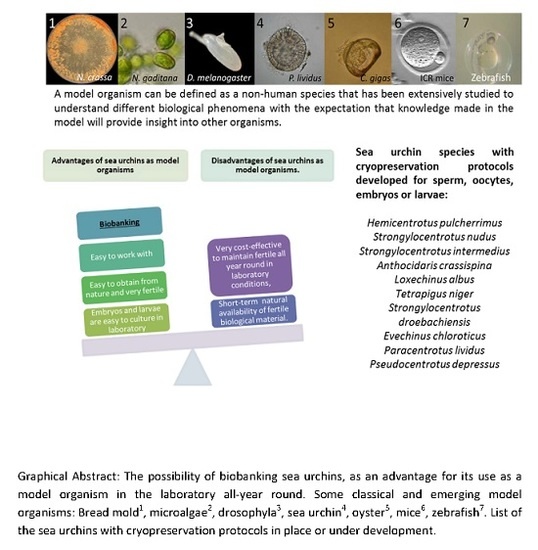
Jmse Free Full Text Biobanking Of A Marine Invertebrate Model Organism The Sea Urchin
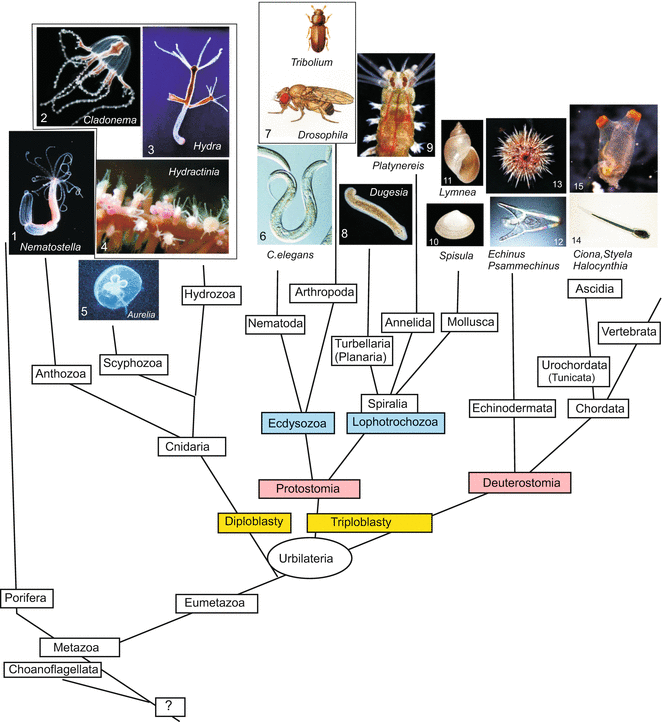
Model Organisms In Developmental Biology I Invertebrates Veterian Key
Gotta Study Em All Learn How Model Organisms Help Researchers Advance Human Health Genetics
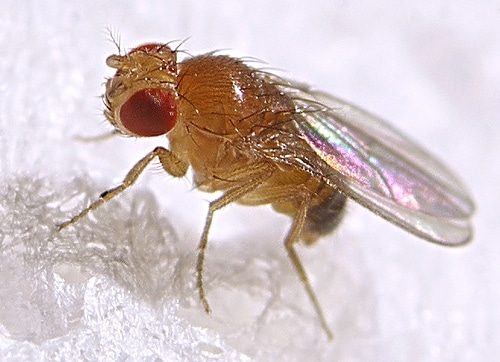
Model Organisms In Biomedical Research

Model Organisms Youtube

Model Organisms Organisms And Us University Of Adelaide

Prioritized List Of Model Organisms That The New Mom Task Group Download Scientific Diagram
Model Organisms Pbs Learningmedia

Quiz Worksheet Using Model Organisms To Study Genetics Study Com

4 Mice As Model Organisms W Jerome Mack Curioscity A Science Show
Model Organisms Youtube

What Are Model Organisms Facts Yourgenome Org
Crispr Gene Editing Creates Wave Of Exotic Model Organisms

Non Model Organisms A Species Endangered By Proteogenomics Sciencedirect
Five Popular Model Organisms

Model Organisms In Genetics All You Need Is Biology
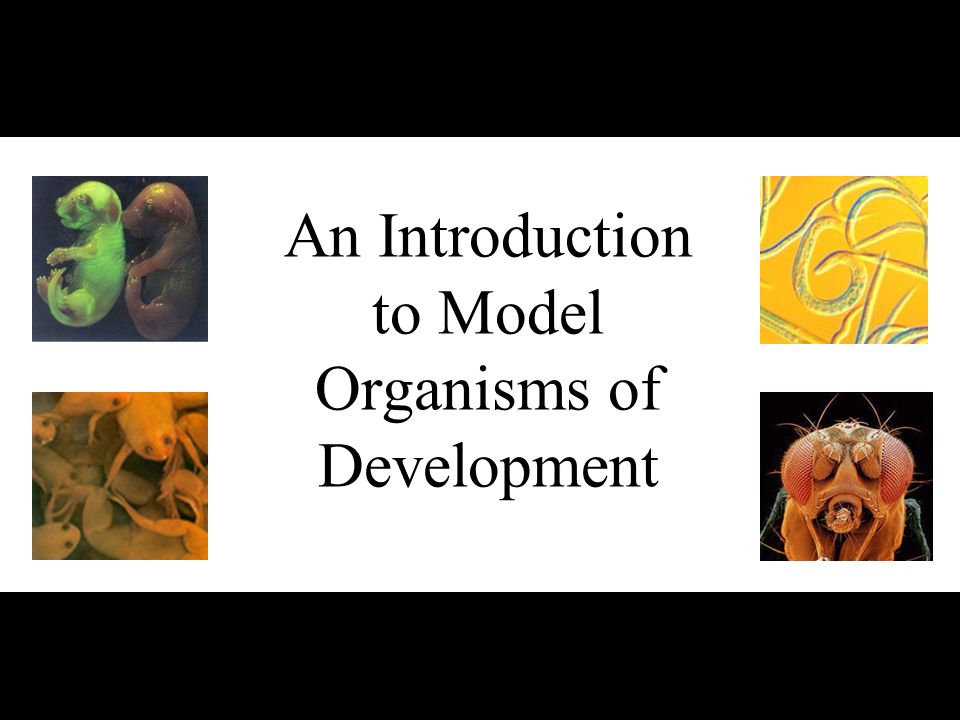
An Introduction To Model Organisms Of Development Ppt Download

Model Organisms

Transcriptional Regulation In Model Organisms Recent Progress And Clinical Implications Open Biology
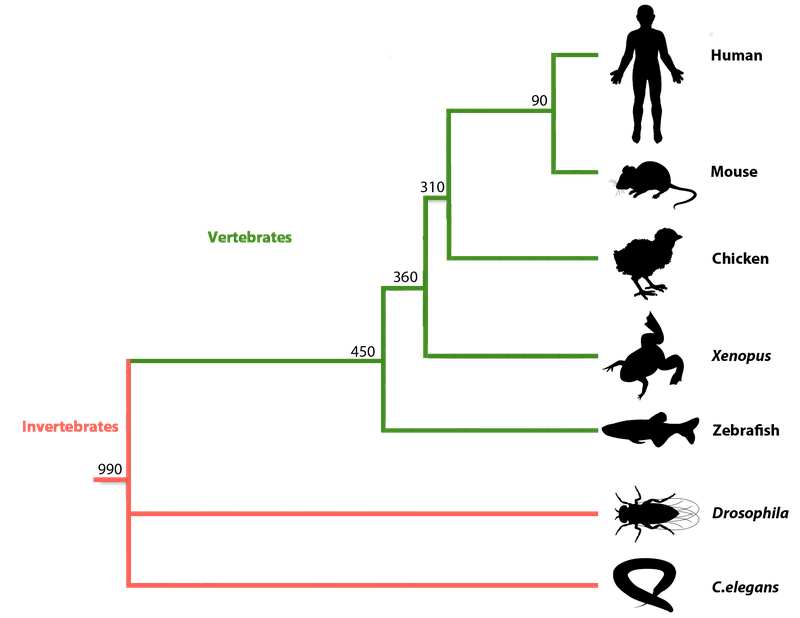
Model Organisms On Earth And In Space Genes In Space

Model Organisms Zebrafish Modrn

Can I Use An Antibody Targeting A Human Protein In Another Model Organism

Cladocera As Model Organisms In Biology Springerlink

Quantitative Proteomics Of Model Organisms Sciencedirect

Model Organisms Peculiar Creatures Big Discoveries Morgridge Institute For Research

Model Organisms Facilitate Rare Disease Diagnosis And Therapeutic Research Genetics

Model Systems Spectrum Autism Research News

What Is A Model Organism Biochemistry World

Open Genetics Cubocube
Q Tbn 3aand9gctpv3ahg0hnwnvorvv7enujp4p6el0fgnneflokccwkyaamlopk Usqp Cau

Biology S Search For New Model Organisms Quanta Magazine
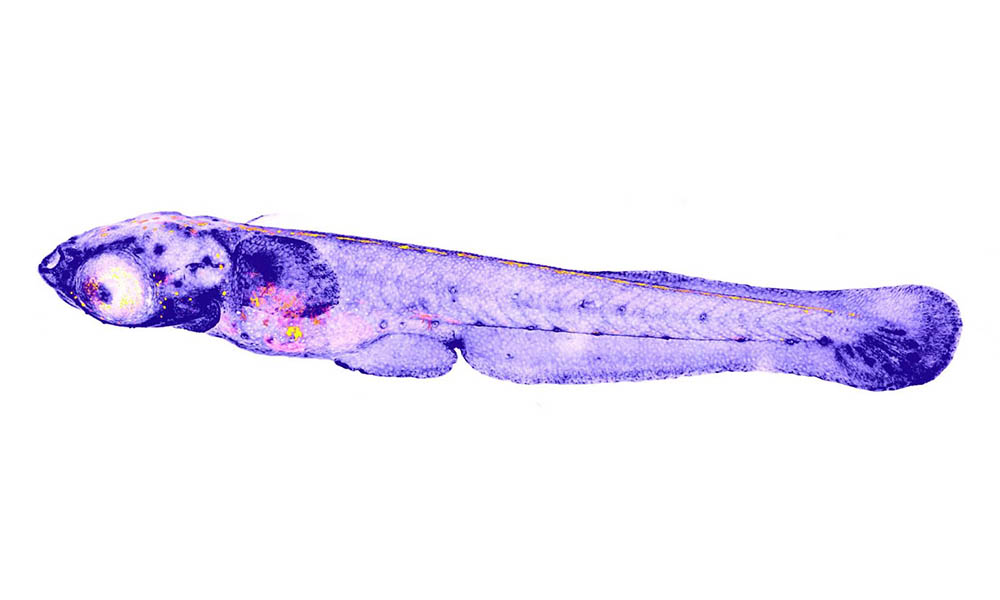
Model Organisms Archives Embl
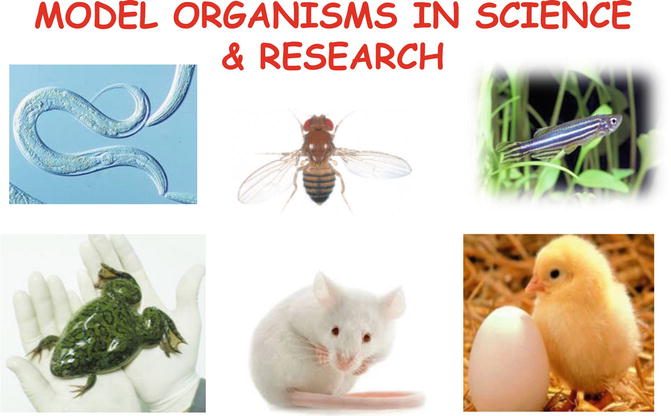
Model Organisms In Science And Research Springerlink
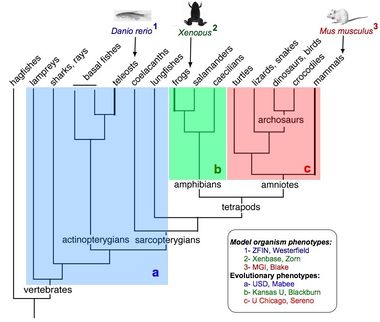
Ontology Enabled Reasoning Across Phenotypes From Evolution And Model Organisms Phenoscape

Model Organisms In Rare Disease Research Grace Science Foundation

Comparison Of Four Model Organisms Download Table

Model Organisms In Drug Discovery
Emerging Model Microorganisms Take To The Stage

Small Brains Big Ideas The Value Of Model Organisms To Science Science In The News
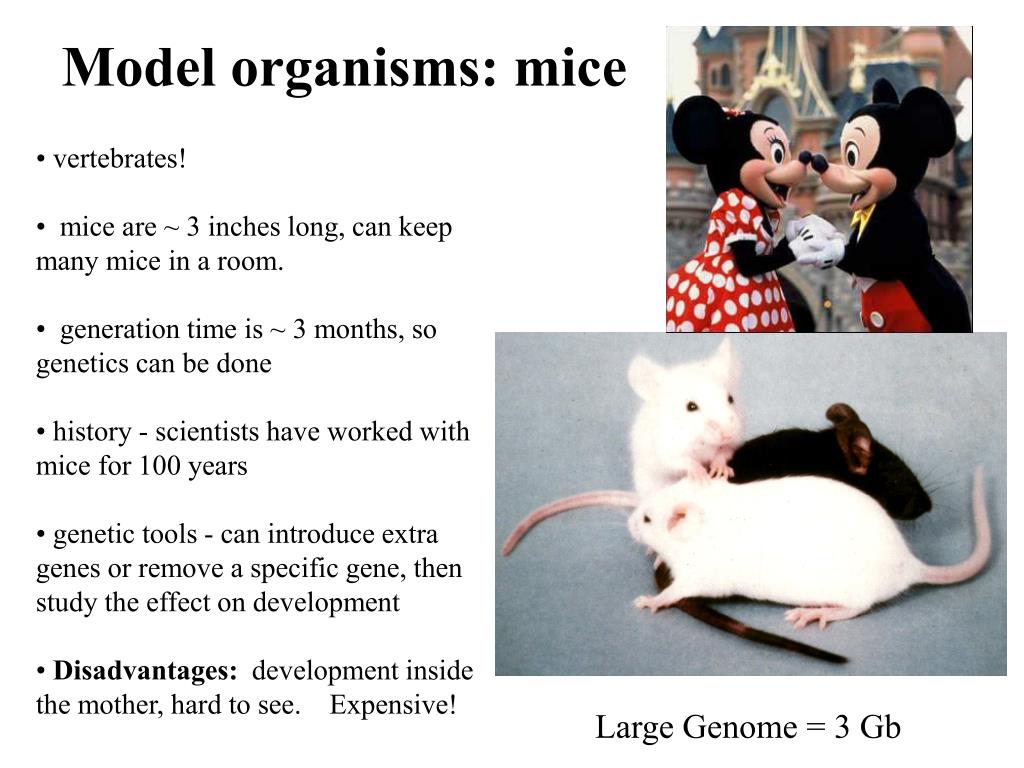
Ppt Model Organisms Mice Powerpoint Presentation Free Download Id

The Next Top Model Organism Total Internal Reflection

Animals Behind The Scenes Model Organisms
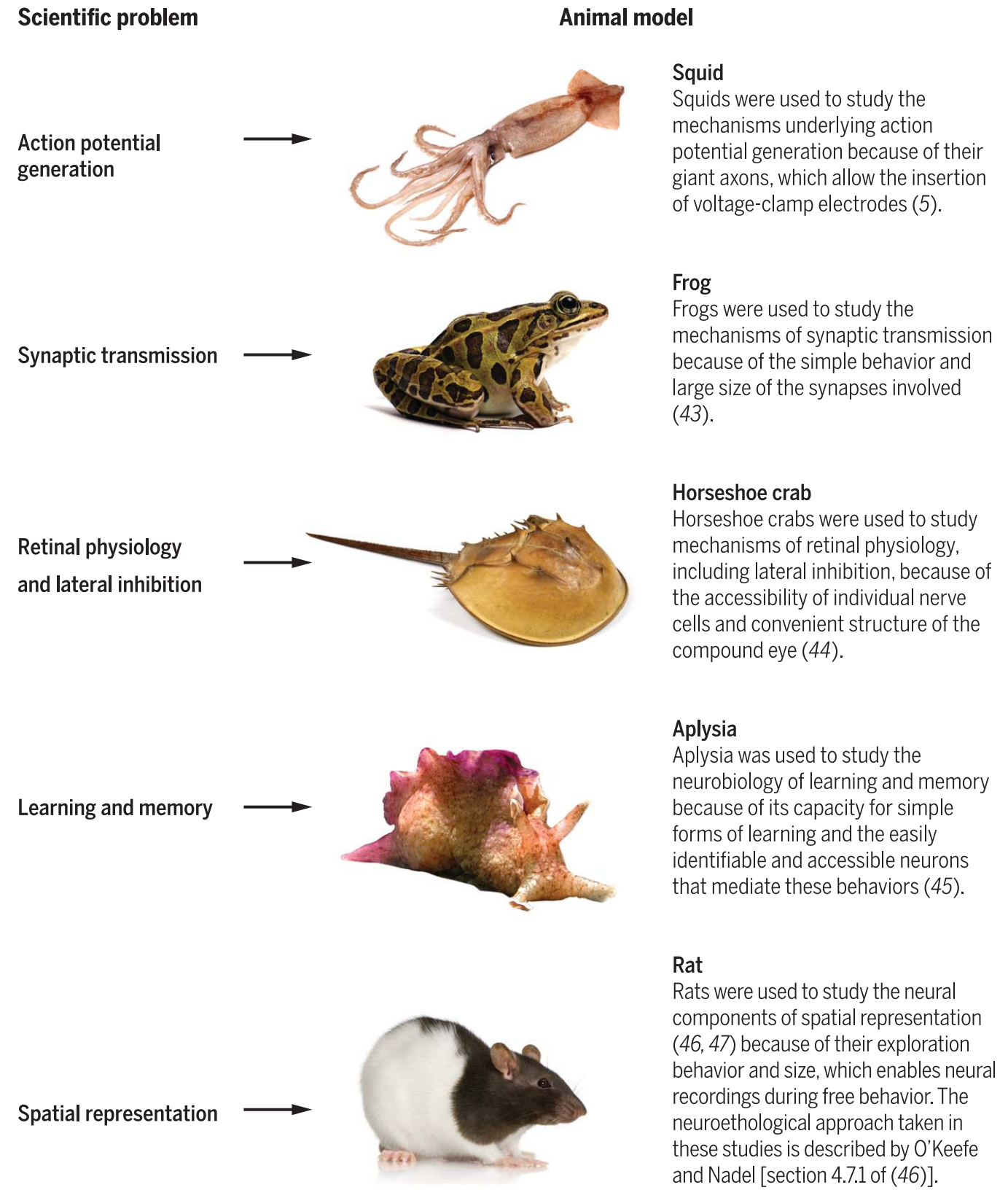
Animal Model Diversity In Neuroscience Harvard Neuro Blog

File Emerging Model Organisms 1 Jpg Wikimedia Commons
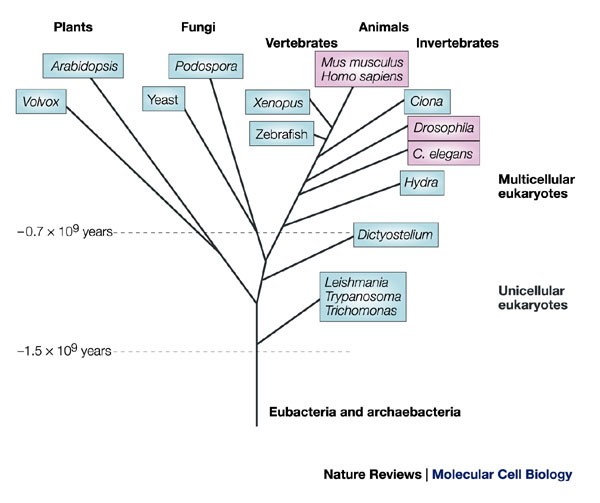
Cell Death Alternative Model Organisms Why And Which Nature Reviews Molecular Cell Biology

Model Organisms In Genetics Authorstream

Invertebrates As Model Organisms For Research On Aging Biology Sciencedirect

Non Model Model Organisms

Model Organism Crispr Core


